Salt-Resistant Replastering
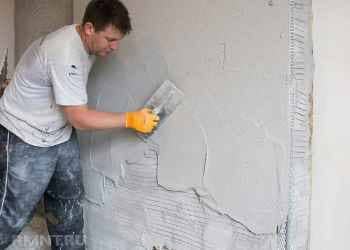
Salt-Resistant Replastering
Salt-resistant replastering replaces salt-laden plaster on UK walls after damp treatment, so hygroscopic salts do not bring the tide mark back through new paint. It follows a rising-damp repair once the wall is ready to take a coat. Request a quote with the form or WhatsApp.
Salts left in old plaster pull moisture back to the surface. The new coat has to resist those salts, or the stain returns.
Get a QuoteWhat people notice first
Paint that stains again in a tide line after a damp repair
Powder on the surface of plaster low on the wall
A new skim that has debonded over old salt-laden plaster
What's included
- Failed salt-laden plaster removed
- Wall left to the drying stage the system needs
- Salt-resistant backing coat
- A finish ready for decoration once dry
- Timing for paint explained in writing
What this visit does not do
- We do not gypsum-skim over contaminated plaster
- We do not replaster a wall that is still being wetted by a leak or by rain
- This is not a decorative plastering service for dry rooms
How the visit runs
Failed plaster is removed to the height the salts reach, not just the flaky patch. The wall is left to the drying stage the system needs. A salt-resistant backing goes on, then a finish that can take paint once it is dry. The timing for paint is written down.
Investigate first
We map the stain, take moisture readings, check salts where plaster has blown, and look outside at ground levels, gutters, pointing and the damp proof course line. The damp type is written down before any treatment.
Treat the path that is wet
Rising damp, rainwater, condensation, a bridged cavity or a wet cellar each get the repair that closes that path. A damp proof course is used only where groundwater is the cause.
Leave a record and a drying time
You get a treatment record and the guarantee that applies to the system installed. Plaster and paint wait until the readings say the wall is ready. Decorating a wet wall brings the mark back.
What changes the price
Area of plaster, ceiling height, and how long the wall needs to dry before the finish coat all change the quote.
After the visit
No vinyl or “damp” paint in the early drying period. Those films trap moisture and the salt line returns in the new coat.
What fails if this is skipped
If the salts are left in place, the stain is often back within a heating season even when the damp proof course was sound. Replacing that plaster is what makes the course visible as a dry wall.
Stain-block and ordinary multifinish over salty plaster fail. The salts are still in the wall.
Questions
These are the questions for this job. Wider damp questions sit on the FAQ page.
All FAQsAreas we cover
The same survey runs in these counties, and across the rest of the UK.
See all areas we coverYour building, diagnosed before it is treated.
Replaster after damp treatment so hygroscopic salts do not spoil the new finish.
Get a Quote